
Common projects
Where this service fits
Tree removal begins with access and risk
Tree size alone does not determine the method. Lean, canopy, condition, nearby structures, overhead utilities, fencing, traffic, and equipment access all affect whether a tree can be mechanically removed or needs a climbing and rigging specialist. Trees on structures or near energized lines require the appropriate emergency or utility-qualified provider.
For open land, combining tree removal with surrounding clearing can reduce mobilization and make cleanup more efficient. Logs may be processed, staged, hauled, or evaluated separately depending on species, condition, access, and marketability.
Stump grinding versus grubbing
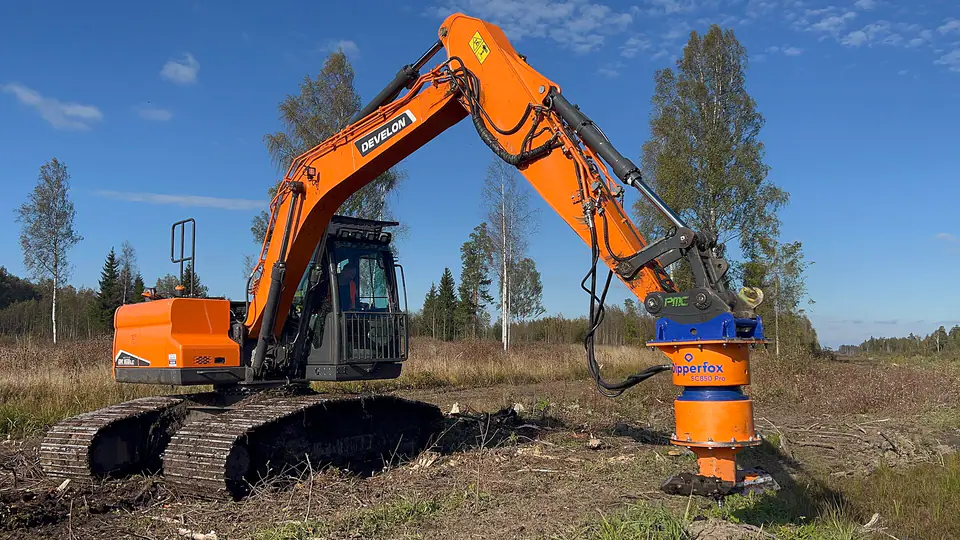
Grinding lowers the visible stump and produces chips while leaving much of the root system in place. Grubbing extracts the stump and major roots, leaving a void that must be backfilled. Grinding can be suitable for natural areas and some landscaping; grubbing is usually the better fit beneath slabs, drives, utilities, fences, and areas that need smooth grading.
Backfill requirements depend on the next use. A natural area can be rough-filled; structural or traffic-bearing areas require suitable material and compaction standards provided by the builder or engineer.
Old piles and mixed debris
An old brush pile can hide fence wire, appliances, concrete, rocks, tires, chemicals, or household waste. Clean wood can often be processed, but mixed or regulated materials must be separated and disposed of correctly. A vegetation-only price should not assume unknown buried waste.
Photos help identify obvious conditions, but equipment may uncover materials that were not visible during the estimate. The scope should explain how unexpected debris is handled and approved.
Storm and neglected-property cleanup
Downed trees, hung limbs, unstable trunks, washed-out access, and saturated ground require a safety-first sequence. The immediate goal may be restoring a lane or removing accessible hazards before broader cleanup begins.
Once large debris is controlled, brush mulching and rough cleanup can make the property maintainable again. Follow-up grading, seeding, fence repair, or material delivery can be quoted as separate phases.
Scope options
What can be included
Property-owner questions
Tree, Stump & Debris Removal FAQs
Can every stump be removed?
Most accessible stumps can be ground or grubbed, but proximity to utilities, foundations, retaining walls, septic systems, and protected trees may limit the method.
What happens to the hole after grubbing?
It is backfilled according to the agreed scope. Structural areas need suitable fill and compaction requirements from the project team.
Do you take household junk?
General junk and regulated waste are different from woody debris. Mixed materials are identified and priced separately.
Can logs be sold?
Potential value depends on species, quality, volume, length, access, and current local demand. Most small clearing jobs should not assume timber revenue will offset the work.
Can storm work start immediately?
Availability and site safety control scheduling. Downed utilities, trees on structures, or hazardous hanging limbs may require emergency specialists first.